Case Study
Designing a Dealer-Led Go-to-Market System
Building the commercial operating system for a scalable dealer-first growth model at Univix.
Overview
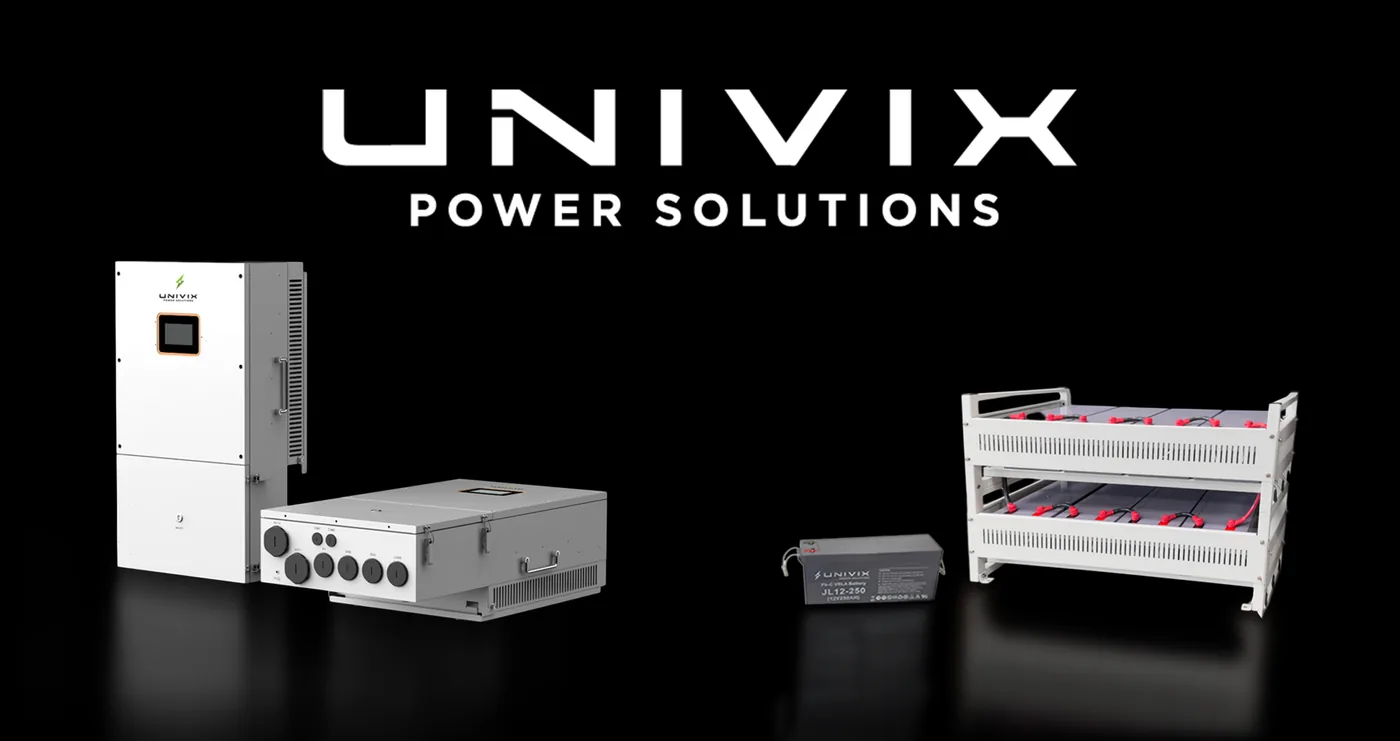
Univix manufactures stationary carbon battery storage systems designed to help homeowners achieve greater energy independence. Unlike conventional lithium-based systems, its carbon battery technology offered a differentiated value proposition centered on safety, efficiency, and simplified installation. While the product stood apart in the market, the company's growth model was not designed to scale.
Dealer onboarding was inconsistent, technical support often flowed back to the internal team, and every new dealer relationship depended heavily on the founders. Leadership saw an opportunity to shift toward a dealer-first model by helping established solar installers retrofit battery storage for existing customers. What the company lacked was the commercial infrastructure to make that transition successful.
My role was to design a repeatable go-to-market system that could attract, activate, and retain dealer partners while reducing operational complexity across the business.
Key Insight
Scaling a dealer network isn't about recruiting more partners. It's about designing an exceptional dealer experience. Every touchpoint, from positioning and onboarding to enablement and ongoing support, should reduce friction, build confidence, and help dealers succeed faster.
The Challenge
Univix had built an innovative alternative to lithium battery storage, but many internal processes were still reactive. Dealer onboarding, technical support, and operational handoffs relied heavily on tribal knowledge rather than standardized systems. My objective was to design a repeatable commercial framework that created a consistent dealer experience while giving the business a foundation to scale.
To build that foundation, I worked with leadership to answer five fundamental go-to-market questions:
- Who is our ideal dealer?
- Why would they choose Univix?
- How should they be recruited?
- How should they be onboarded and activated?
- How do we create long-term dealer success?
At the same time, the company was operating without a CRM, with limited marketing resources, and in the middle of a fundraising cycle. Every solution had to be practical, lightweight, and capable of evolving alongside the business.
Dealer Journey Framework
To transform a reactive sales process into a scalable commercial system, I worked closely with the Internal Sales Manager, CEO, and operations team to translate years of institutional knowledge into a structured go-to-market framework.
Rather than viewing dealer recruitment as a series of disconnected marketing and sales activities, we mapped the entire dealer journey from first interaction through long-term partnership. That journey became the foundation for every decision we made, ensuring each stage built naturally into the next.
The resulting GTM architecture centered on five connected systems:
1. Ideal Dealer Profile – Define who we serve and where to focus.
2. Positioning & Value Proposition – Give dealers a compelling business reason to choose Univix.
3. Dealer Acquisition – Create a repeatable, high-touch recruitment process.
4. Dealer Activation – Reduce time-to-first-sale through onboarding, certification, and enablement.
5. Dealer Lifecycle & Retention – Support long-term dealer success through ongoing training, communication, and growth programs.
The dealer journey became the organizing principle for every internal system we built. Instead of asking what marketing, sales, or operations needed individually, we designed each process around what the dealer needed to be successful at each stage of the journey.
Defining the Ideal Dealer
Through interviews with installers, distributors, existing dealer partners, and Colorado Energy Experts, Univix's flagship dealer, I developed an Ideal Dealer Profile focused on established residential solar installers with strong customer reputations, existing customer bases suited for battery retrofits, and operations in strategic markets including Colorado and New Hampshire.
These conversations also reshaped our positioning. Instead of asking dealers to sell another battery, we positioned Univix as a way to generate additional revenue from existing customers while offering homeowners a safer, more efficient solution (as opposed to lithium) with faster installations and stronger dealer margins.
Building the Dealer Acquisition Motion
Dealer partnerships depend on trust, so I intentionally designed a high-touch acquisition motion rather than an automated funnel.
The strategy combined high-touch LinkedIn outreach with a redesigned Become a Dealer landing page, HubSpot forms, qualification workflows, custom CRM properties, lifecycle stages, and structured ownership handoffs to the Dealer Account Manager.
The objective was to create a repeatable acquisition process without losing the personal relationships that drive successful partnerships.
Designing the Dealer Activation Experience
I treated onboarding as an activation experience rather than a single training event.
I designed a role-based Dealer Portal that delivered personalized resources for sales representatives, managers, operations teams, and procurement teams. The experience included sales playbooks, installation guides, pricing tools, certification testing, marketing assets, technical documentation, and the Energy Planning Engine that will eventually be white-labeled for dealer partners.
HubSpot workflows supported certification milestones, internal notifications, and permission-based content access. Every decision was made to reduce friction, shorten time to first sale, and improve dealer confidence.
Building the Commercial Operating System
Behind the scenes, I partnered closely with the CEO, COO, dealer sales, and operations teams to map the complete dealer journey and translate it into repeatable systems.
This included CRM architecture, lifecycle stages, SOPs, ownership transitions, transactional email sequences, inventory coordination, reporting, and cross-functional workflows.
The biggest challenge was helping the organization shift from solving individual dealer problems to designing systems that could consistently support every future dealer relationship.
Designing for Long-Term Dealer Success
The dealer experience extended well beyond certification.
Working with Dealer Success, I designed a lifecycle framework that included 30, 60, and 90-day check-ins, quarterly enablement, product updates, lifecycle communications, co-op advertising opportunities, and ongoing support through the Dealer Portal.
The goal was long-term dealer growth rather than one-time transactions.
Early Outcomes
Although funding constraints delayed large-scale rollout, the project established the commercial foundation required for future growth.
Key deliverables included:
- Dealer-first GTM strategy
- Ideal Dealer Profile framework
- Dealer positioning and messaging
- Dealer acquisition system
- HubSpot CRM architecture
- Dealer lifecycle model
- Dealer Portal
- Certification program
- Sales enablement library
- Cross-functional operating workflows
- Onboarding and retention framework
Reflection
While my titles have been in marketing, I've consistently been most energized by the work that sits at the intersection of product, customer experience, and go-to-market strategy — understanding customer needs, shaping positioning, designing intuitive experiences, and helping products reach the market in a way that drives adoption.
I wasn't asked to build a go-to-market strategy — I was asked to help grow the business. As I uncovered gaps, I found myself defining audiences, shaping positioning, designing dealer experiences, and aligning teams around a shared commercial approach. Looking back, I realized I've consistently been drawn to solving business problems through product marketing, even before I held that title.
Sustainable growth does not come from individual campaigns. It comes from designing repeatable systems that align product, marketing, operations, enablement, and customer experience.